

Understanding the Self in Self-Love vs. Self-Care
11 February 2024
Transition Through Uncertainty With Grace
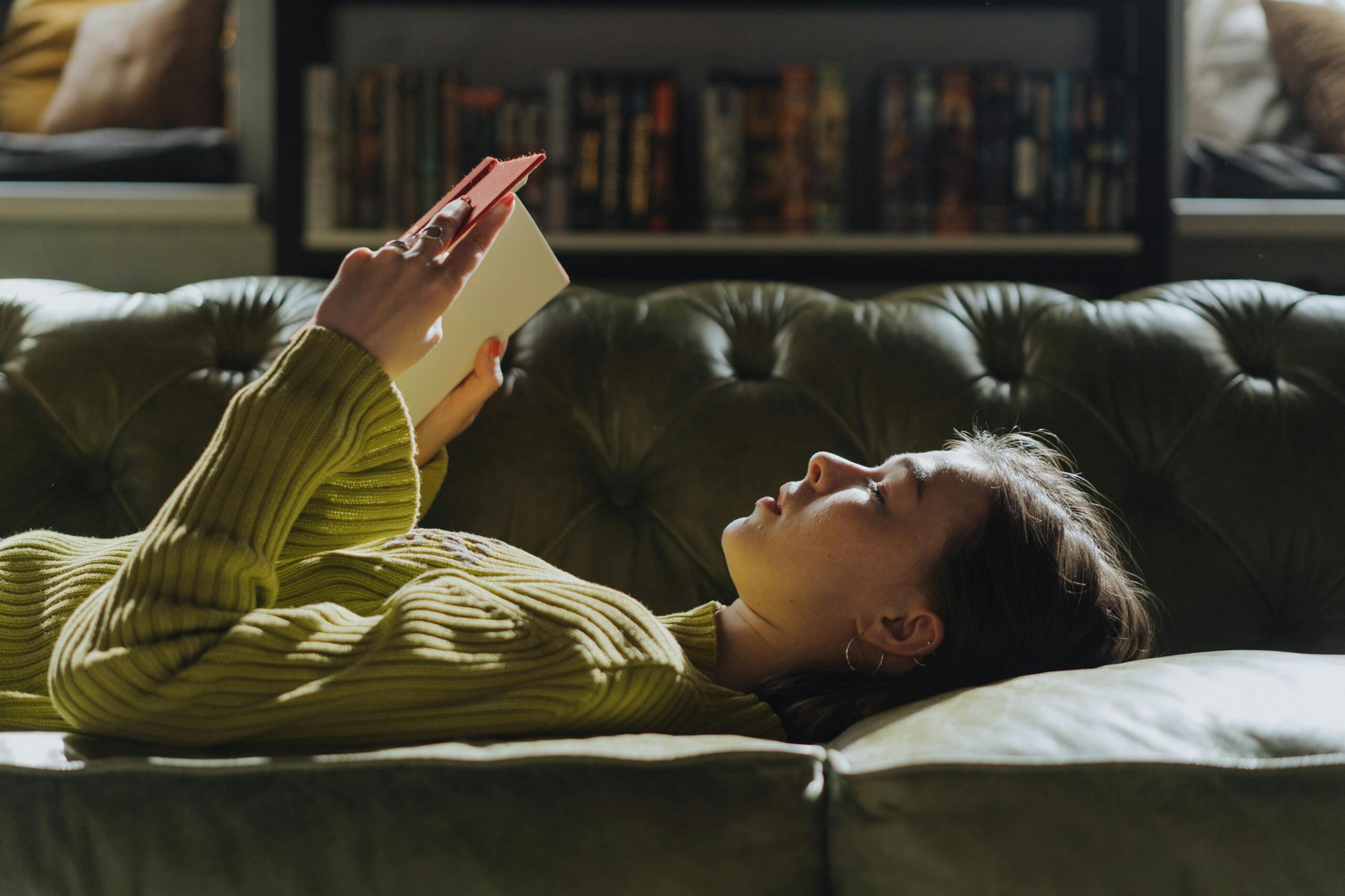
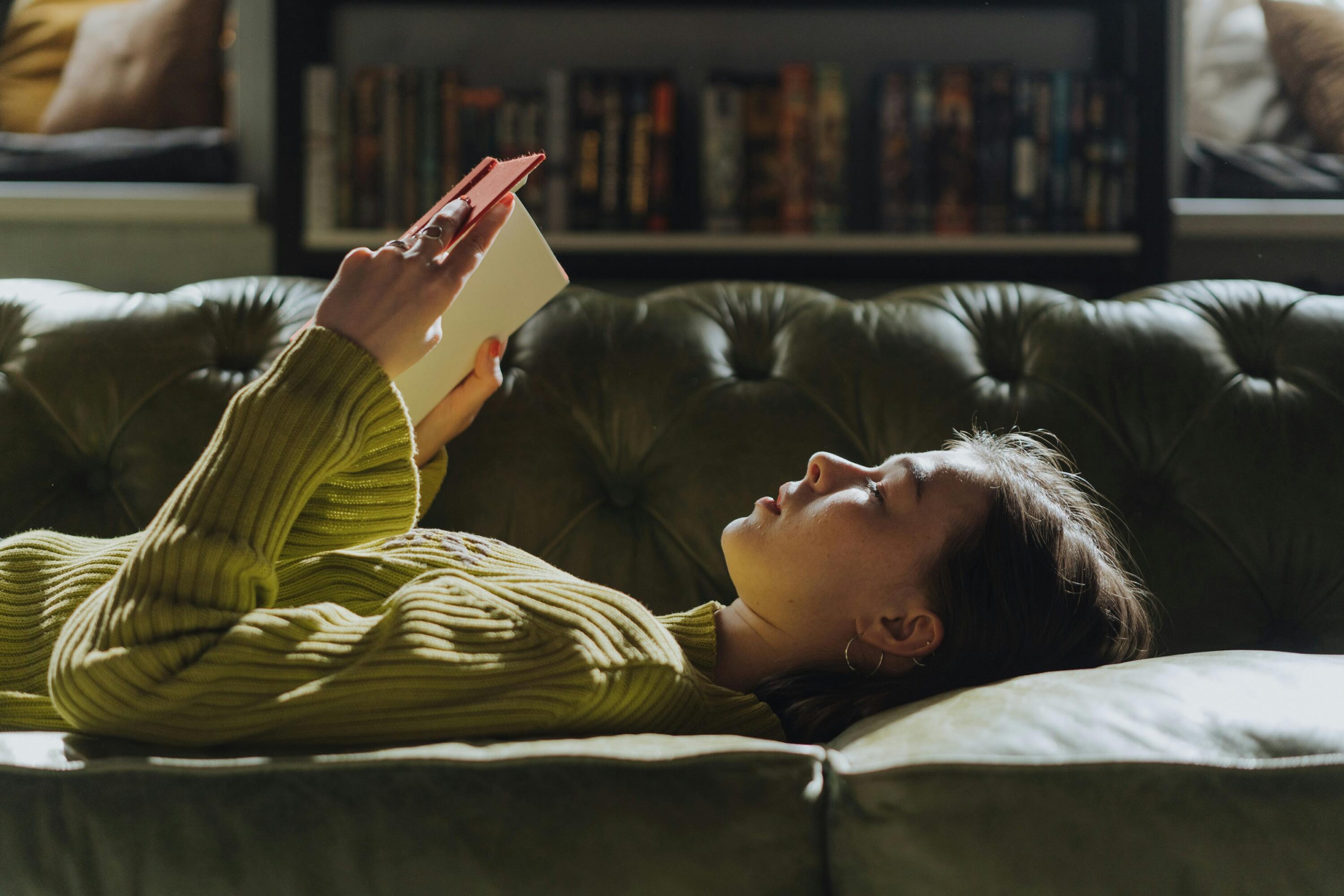
27 February 2024Isolation and solitude both imply being alone but that is where the similarities end. They are opposite sides in every other important way. Life feels different when we choose to be alone sometimes compared to when we end up feeling alone without wanting to. Solitude is being alone on purpose, which may feel like taking a little vacation for your mind. It can help you understand yourself better, make you feel more peaceful, and give you the energy to handle life better. But when being alone isn’t a choice, like in isolation, it can make us feel sad and disconnected. How amazing can spending time with yourself be? But also how will you know when it’s helping or hurting so you do it healthily?
Solitude is when we decide to be alone because we want to. It’s good for us because it helps us think, feel more at peace, and enjoy our own company. Sometimes, our minds or feelings tell us we need some time alone. This can be because we’re feeling overwhelmed, tired from being around people, or just because we want some quiet. It’s okay to listen to these signs and take a break.
Isolation is when we’re alone but don’t want to be. It can make us feel left out and sad, and it’s not good for our hearts or minds. Sometimes, what starts as a nice break can turn into feeling lonely. Signs of this happening might include feeling really sad about being alone, avoiding talking to friends or family, and not wanting to do things you used to enjoy. Warning signs can include:
- Persistent feelings of loneliness or sadness when alone.
- Neglecting relationships or responsibilities under the guise of seeking solitude.
- Using solitude to avoid dealing with personal issues or external challenges.
Being alone has its perks. It helps you understand yourself better, and figure out your thoughts and feelings. When you have some quiet time to yourself, it’s easier to come up with new ideas, boosting your creativity. Also, if you get tired after being around people a lot, taking some alone time can help you feel rested and ready to go again. To keep your alone time helpful and not harmful, try:
- Start small: If you’re not used to being alone, begin with just a little bit of time and then maybe try more.
- Find a routine: Maybe you like reading, drawing, or just sitting quietly. Find something you enjoy doing alone.
- Take a break from screens: Try to spend some time away from your phone or computer. It can make your alone time even more refreshing.
- Making a plan: Decide how long you want to spend alone and try to stick to it.
- Keeping in touch: Make plans to chat with friends or family so you have something social to look forward to.
- Thinking about how you feel: Use your alone time to check in with yourself. If being alone starts feeling more sad than peaceful, it might be time to reach out to someone.
Choosing to spend time alone can be a beautiful thing. It lets us meet ourselves in a new way and find peace in our own company. But it’s important to watch out for when alone time turns into feeling lonely. By finding a balance, we can enjoy the best parts of being by ourselves without falling into the trap of isolation. Remember, it’s about finding the right amount of alone time that makes you feel good, not lonely.
“Loneliness expresses the pain of being alone and solitude expresses the glory of being alone.” (Paul Tillich)